
We develop explainer videos and visualizations for technology, processes, and systems—anywhere where understanding is the basis for decisions, training, or sales.
Services
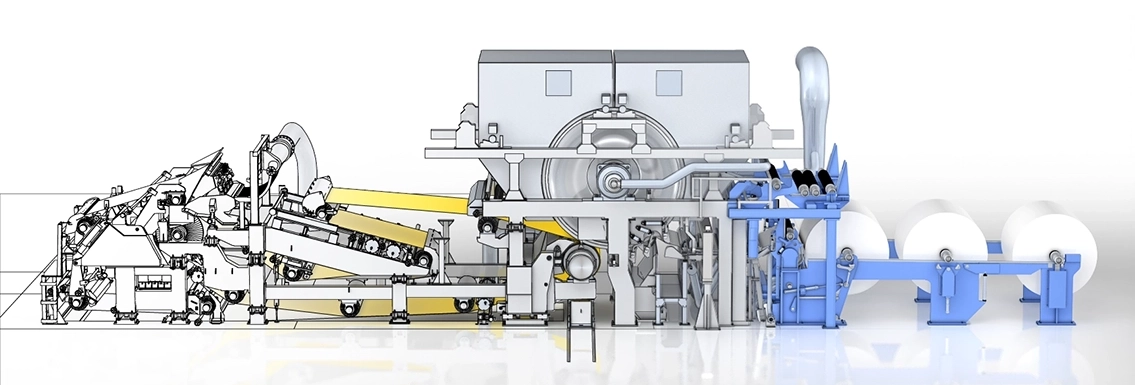
Our work has two levels:
-
Concept – structure, reduction, story
-
Visual implementation – images and animations that make this story understandable
Concepts
What needs explaining, and to whom?
Together we clarify:
-
Topic: Product, system, process, or training
-
Target audience: Who needs to understand it?
-
Goal: What really needs to stick in the end?
Reducing to the essentials
We organize content, select and formulate it understandably:
-
Logical sequence
-
Focus on the essentials
-
Clear core messages instead of a flood of details
Visual implementation
We choose the form of presentation that suits the content – not the latest trend.
Spatial & technical representations
-
Machines, systems, assemblies
-
Cutaway models, transparencies, and exploded views
-
Movements, assembly, and service routes
Processes & physical effects
-
Flows, pressure, temperature, mixing processes
-
Temporal sequences and changes of state
Training & safety
-
Operating and maintenance steps
-
Safety and behavior scenarios
-
Standardized procedures for training and education
How we work
We turn complex technical topics into clear visuals — and keep your workload as lean as possible.
A typical project looks like this:
1
Clarify what needs to be explained
You tell us what you want to explain and who it’s for.
This might be a product, process, system, production line, or training topic.
We listen, ask the right questions, and tell you openly whether a visualization makes sense—and which format would work best.
2
Concept & storyline
Based on your materials (drawings, photos, presentations, and conversations), we develop the concept:
What are the key steps? What can be simplified or removed? What needs emphasis?
Only when the story is right, do we move further into visual production.
3
Visual production
We choose the right tools: 3D animation, AI-assisted visuals, or a combination.
The tool isn’t the point — clarity is.
We review drafts with you along the way to ensure content and deadlines stay on track.
4
Finalization & delivery
You receive the final files in the formats you need — for example, for the web, presentations, trade shows, or training platforms.
If you like, we can also provide still images for documents or slides.
When our service is worthwhile for you
Our work is particularly useful when
-
Technical content is relevant to decision-making
-
Misunderstandings can cost time or money
-
You want to show why your solution is better
-
Training, safety, or operation must be communicated clearly and consistently.
FAQ
An explainer video or visualization is worthwhile when “understanding” is crucial and text, photos, or traditional presentations are no longer sufficient.
For example, when…
– internal processes or physical effects need to be explained
– your solution sells itself through its function and differences, not just its appearance
– training, safety, or operation must be communicated clearly and consistently
– decisions or investments must be prepared in a comprehensible manner
If, during the initial consultation, we feel that an explanatory video does not offer any real added value, we will tell you so.
That depends on the scope, but roughly speaking:
– a small project, a short clip approx. 2–4 weeks
– a more extensive explanatory video with concept, coordination, and several scenes approx. 8–32 weeks
Important factors are:
– how many special effects are used (water, fire, air)
– how complex the content and processes are
– how quickly we receive feedback and approvals from you
After a short briefing, we can usually give you a realistic timeframe.
Depending on the project
– Technical drawings, sketches, CAD views, photos
– Existing presentations, product documentation, data sheets
– Process and function descriptions, training materials
– Information about the target audience and intended use
It is essential that we receive complete technical information—we will then help with structure, reduction, and comprehensibility.
Simplified in four steps:
1. Initial consultation
Clarify the topic, target audience, and goal. We will give you our honest opinion on whether and how visualization would be beneficial.
2. Explanatory concept & storyline
We review your documents, structure the content, and develop a script (storyboard).
3. Visual implementation
We implement the concept using appropriate visualization techniques.
4. Fine-tuning & handover
We incorporate feedback and deliver the final files in the agreed formats.
It is important that you are kept informed at all times and can make corrections whenever necessary.
A project works best when there is a main contact person on your side with whom we can collaborate on technical and organizational matters. This person can, of course, involve other colleagues internally, but they will consolidate feedback and decisions. This reduces misunderstandings and saves everyone involved time.
At the beginning, we usually get to know each other in person and discuss the project’s goals, content, and scope. Further collaboration then takes place mainly online:
In Teams meetings, we can share our 3D model directly with you, run through different versions, and specifically exclude areas that are relevant to patents or confidentiality.
If a video version is available, we make it available via an online portal. There, you can comment on the video frame by frame, mark sections, and note directly in the image what needs adjustment.
This way, you are involved throughout the entire creation process—and there are no surprises at the end when the finished video is delivered.
No.
3D is an essential component, but not an end in itself.
The decisive factor is not the tool, but rather what can be used to explain your topic in the most comprehensible way.
For example, we work with:
– 3D- and 2D visualizations and animations
– Simulations (for flow representations, movement, processes)
– AI-supported visuals and image sequences
– Schematic representations, diagrams
We work with such precision that your experts will recognize themselves in our work, and laypeople will understand the content.
– We coordinate critical content closely with your experts.
– If necessary, we simplify graphics without distorting the technical message.
– If specific details cannot be shown, we can abstract or omit them.
Nothing is released into the world “just like that”:
You always have the opportunity to check the technical content before anything is published.
Corrections are part of the process.
We usually plan:
– a phase for checking content and story (still without or with simple visualization)
– one or more rounds for visual corrections (details, tempo, highlights, etc.)
It is essential that technical changes are made as early as possible – this keeps the effort and costs manageable.
The exact scope (number of correction loops) is clearly stated in the quote.
The costs depend primarily on:
– Complexity of the topic (a mechanism vs. a complete system/process chain)
– Length and scope of the explainer video
– Level of detail in the visualization (simplified representation vs. very accurate, realistic elaboration)
– Effort required for the concept, coordination, and variants
We can usually provide a rough estimate after a brief discussion.
We will prepare a serious quote as soon as it is clear what needs to be explained and to what extent.
We only work with legally compliant materials:
– Music: licensed tracks or tracks specially selected for the project with the appropriate usage rights
– Language: recordings with professional voice actors or AI-generated voices.
The rules governing who receives which usage rights are clarified in advance (for TV, online, trade fairs, or internal training).
You receive the corresponding rights for the agreed purposes and duration of use—clearly documented.
– In principle, any language version is possible
– German and English are usually required
Texts and visualizations can be structured in such a way that multilingual versions are possible with manageable additional effort (replacement of texts/speakers).
We typically deliver:
– Video files in common formats such as MP4, Full HD, or 4K.
– Upon request, additionally customized versions for the web, mobile phones, presentations, trade fairs, or training systems.
– Still images for print materials up to poster size, presentations, or documentation.
We clarify exactly which formats you need at the outset—so that everything is ready for use at the end without additional conversion and costs.
Confidentiality is a matter of course for us.
– We work with non-disclosure agreements (NDAs) upon request.
– Documents are only shared internally and only to the extent necessary.
– Project material will not be published or shown in references without your express consent.
What we see in our collaboration stays there—or is only shown when you expressly approve.
What would you like to explain better?
Are you facing challenges in communicating a product, process, or system?
Let us discuss it. We will demonstrate whether and how an explainer video could be beneficial.